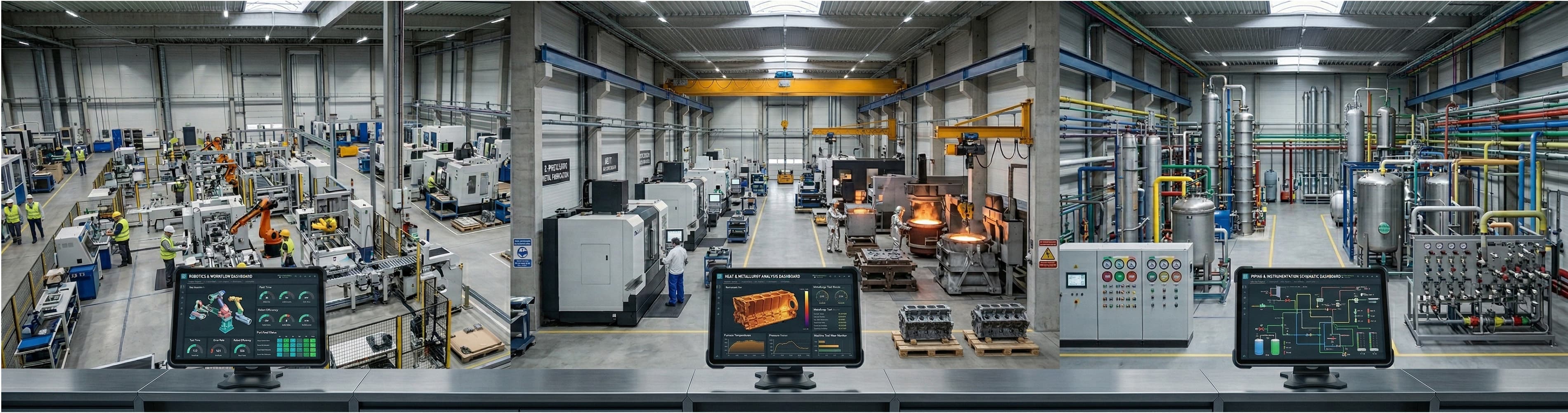

A sales agreement is losing its value inside a sales office. The customer shows interest in the product which matches their requirements and their budget has received approval. The sale experiences a delay because of confusing and slow and uncertain purchasing procedures which exist for the product. The team sends emails to each other for back-and-forth communication. The team needs to clarify the specifications of the project. The team needs to update the pricing information. The team must provide a second explanation of the available options. The purchase process which should have been seamless now faces multiple points of obstruction.
The situation happens to companies which sell complex products because they operate their businesses through industrial machinery and customizable furniture and luxury goods and manufacturing components and specialized equipment. The company faces two major challenges which extend beyond customer acquisition. The actual obstacle requires businesses to make their customers understand the complete details about their products.
Modern digital buyers do not use traditional product catalogs which contain static images and PDF specification sheets. Today's customers want an online shopping experience which lets them explore products and tailor their selection and see immediate results of their choices. Many sales processes fail because they cannot meet this customer requirement.
Buyers need to see how a product will appear and operate and develop through their customizations. The presence of uncertainty functions as the most effective method to terminate a sale.
3D product configurators provide a solution to this problem. The 3D configurator enables customers to see the product through actual product interaction instead of requiring them to create mental pictures from written descriptions and visual diagrams. The users are able to change the product elements while they examine different product options and view the product outcomes from multiple perspectives. Companies now have the ability to sell their products based on actual customer experiences instead of relying on product descriptions.
The purchasing process experiences a complete transformation because customers who test products before buying them make faster decisions and develop higher trust levels. The current validation process for selling complex products requires companies to demonstrate their need for 3D configurators. The real question is how much return on investment they can generate.
When companies implement a 3D product configurator correctly, they experience return on investment that reaches beyond visualization benefits because it transforms their complete selling process.
Understanding 3D Product Configurators: More Than Just Visualization
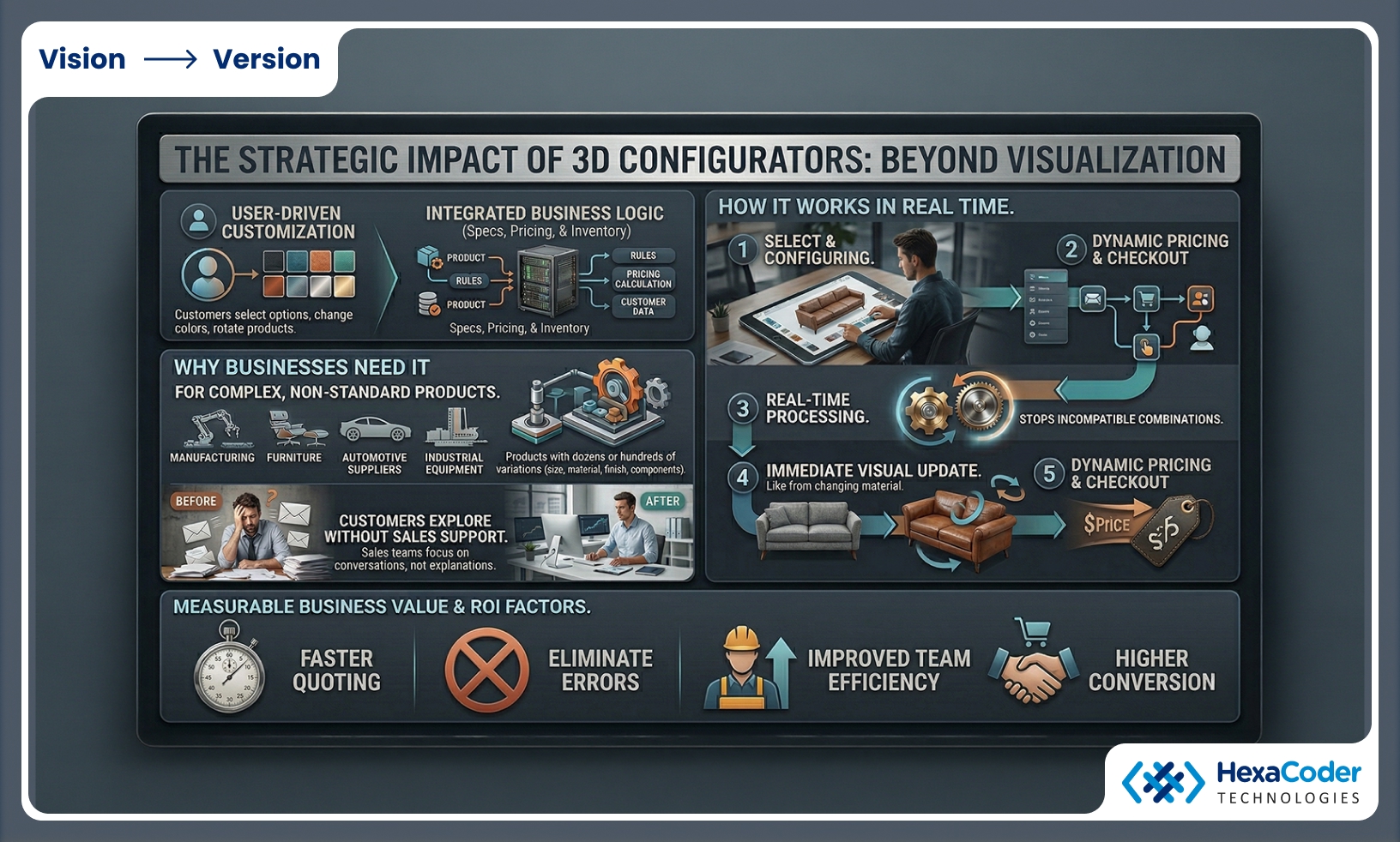
A 3D product configurator appears to be a basic visual instrument during its initial examination. A customer selects an option, changes a color, rotates the product, and sees the result on screen. The experience provides users with an interactive modern interface which includes elements of amusement.
The hidden power of the system extends beyond its attractive exterior.
A complete 3D product configurator functions as more than a basic visualization tool. The platform operates as an advanced system which integrates product information, configuration standards, pricing methods, and customer interactions to create a unified online experience. The configurator establishes a dynamic product display which instantly shifts according to user selection of different options.
This feature proves essential for businesses which offer products that do not come in standard packages. Manufacturing companies, furniture brands, automotive suppliers, luxury goods companies, and industrial equipment providers often sell products with dozensâor even hundredsâof possible variations. The final product results from the combination of size specifications and material choices and finishing options and component selection and accessory inclusion and established performance standards.
Customers needed support from sales representatives because they wanted to explore product options through email communication which required multiple clarification steps. Sales teams needed to manually calculate pricing and feasibility while customers imagined their desired configuration.
A 3D product configurator removes that uncertainty. The system tracks user selections through the configurator while running its processing operation in real time. The system stops users from making combinations which include incompatible components. The system shows new pricing information immediately after any configuration changes. The 3D model visually updates when a customer selects a material or color which enables them to view their exact product display.
The feedback system provides real-time responses which changes how people purchase goods. Customers demonstrate product viewing abilities because they can investigate products without needing information which they can access at any time. Customers actively take part in designing products and selecting which products to buy instead of just looking at sales materials. The transformation affects businesses because it creates new operational possibilities. The sales teams dedicate increased work hours to customer conversations after they complete configuration explanation and error resolution tasks. The sales engine operates through the product configurator which displays products to customers. The financial effects of the system become evident after its initial operational phase. Organizations achieve financial growth through organizations which make faster choices and reduce errors and increase employee productivity and boost customer trust. Organizations which develop this technology seek to answer one primary question about their return on investment: what specific factors generate their return on investment. The next section will show how 3D product configurators create measurable value for businesses through their core functions.
Higher Conversion Rates and Increased Revenue
The 3D product configurator system generates its most valuable financial outcome through its capacity to transform customer interest into actual sales. Customers stop considering a company because their buying process creates difficulties which lead to slow progress and unpredictable results. Buyers start to doubt their purchase decision when they lack sufficient product information.
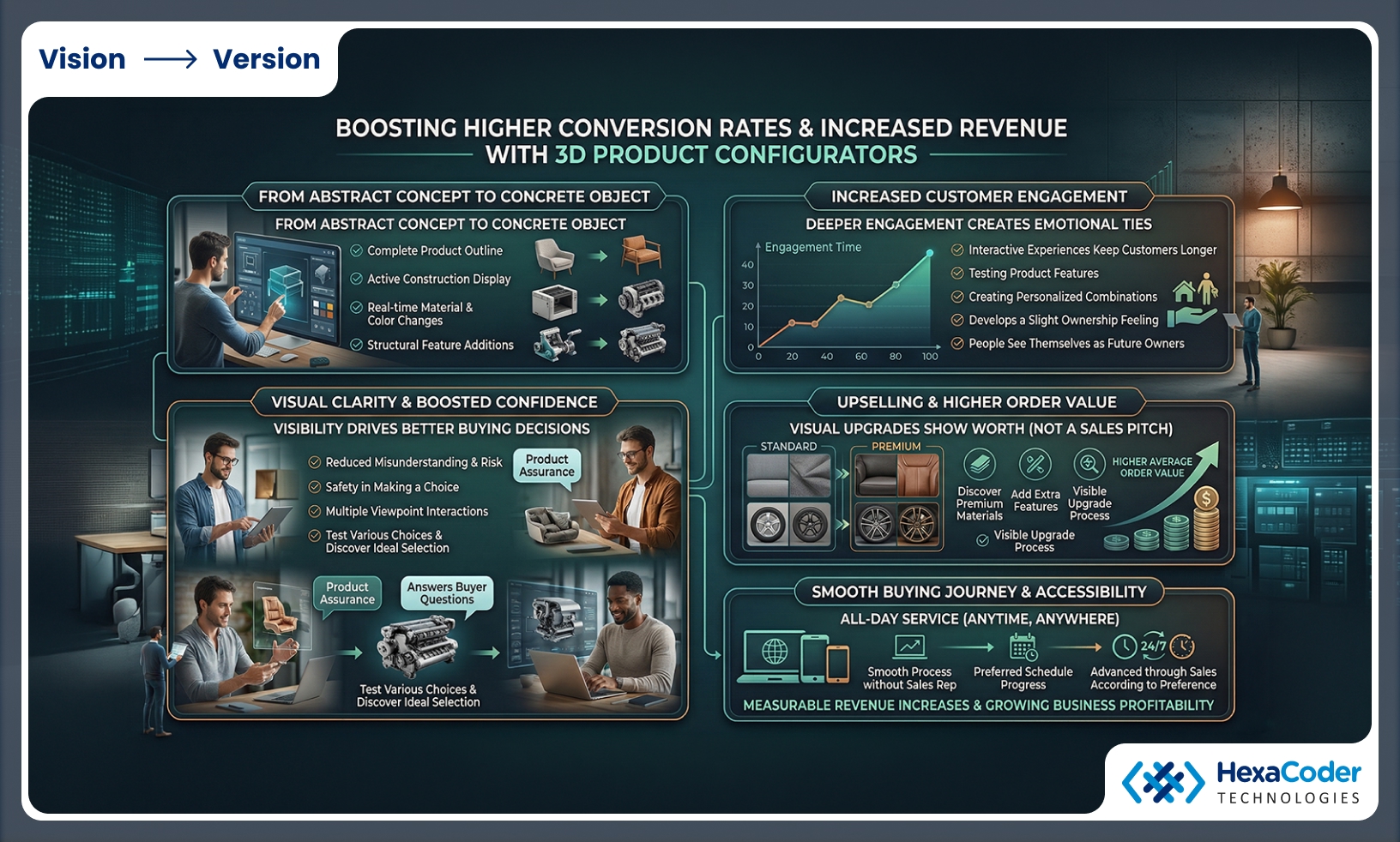
The 3D product configurator system provides users with a complete product outline during the building process. Customers can watch their product development through the actual product display which shows them every active construction element. The 3D model shows every material change and color change and feature addition and structural change in real time. The product changes from an abstract concept into a concrete physical object.
Product visibility enables people to make better buying decisions. Customers who can see their product will experience major confidence boosts. The risk of misunderstanding decreases which makes them feel safer about making a purchase decision. The configurator system provides answers to common buyer questions which they would typically direct to a salesperson before making their inquiries.
The visual clarity of a product becomes essential for products that require complex customizations. Buyers expect to see the finished product of furniture and machinery and jewelry and industrial equipment before making their purchase. The configurator system provides buyers with product assurance through multiple viewpoint interactions which enable them to test various choices until they discover their ideal selection.
The conversion rates increase through customer engagement because it serves as another factor that boosts conversion effectiveness. Interactive experiences keep customers on a website longer because they create engaging content. Visitors to the website spend their time because they want to test product features and create personalized product combinations. The deeper people engage with something, the more they develop emotional ties to it. People who spend extended time on product configuration will start to see themselves as future product owners.
The process generates a slight ownership feeling which people experience before they complete their actual purchase. The configurator provides built-in potential for businesses to upsell their products to customers. Customers who research various options will discover premium materials and upgraded components and extra features which they had not thought about before. The model displays all upgrades visually which enables customers to understand their actual worth. The upgrade process does not come across as a sales pitch because it offers customers the opportunity to make a personal selection.
The process results in businesses achieving higher order value which leads to greater sales revenue. Customers create their favorite product through the customization process which allows them to design their perfect product. Customers who participate in product creation tend to spend more money because they want to receive their exact specifications. The ability to access a 3D configurator provides another benefit which increases conversion rates. A 3D configurator functions as an all-day service. Customers can explore products at any time, from anywhere, without needing immediate assistance from a sales representative. The system creates a smooth buying experience which helps customers advance through the sales process according to their preferred schedule.
The customers begin their journey when they decide to buy but their path remains visible. The improvements develop through time until they produce measurable revenue increases. The business profitability grows through higher conversion rates and customers who make larger purchases and show greater engagement with the configurator technology.
A 3D product configurator enables users to see products but its main function is to assist with sales.
Reduced Sales Cycles and Faster Decision-Making
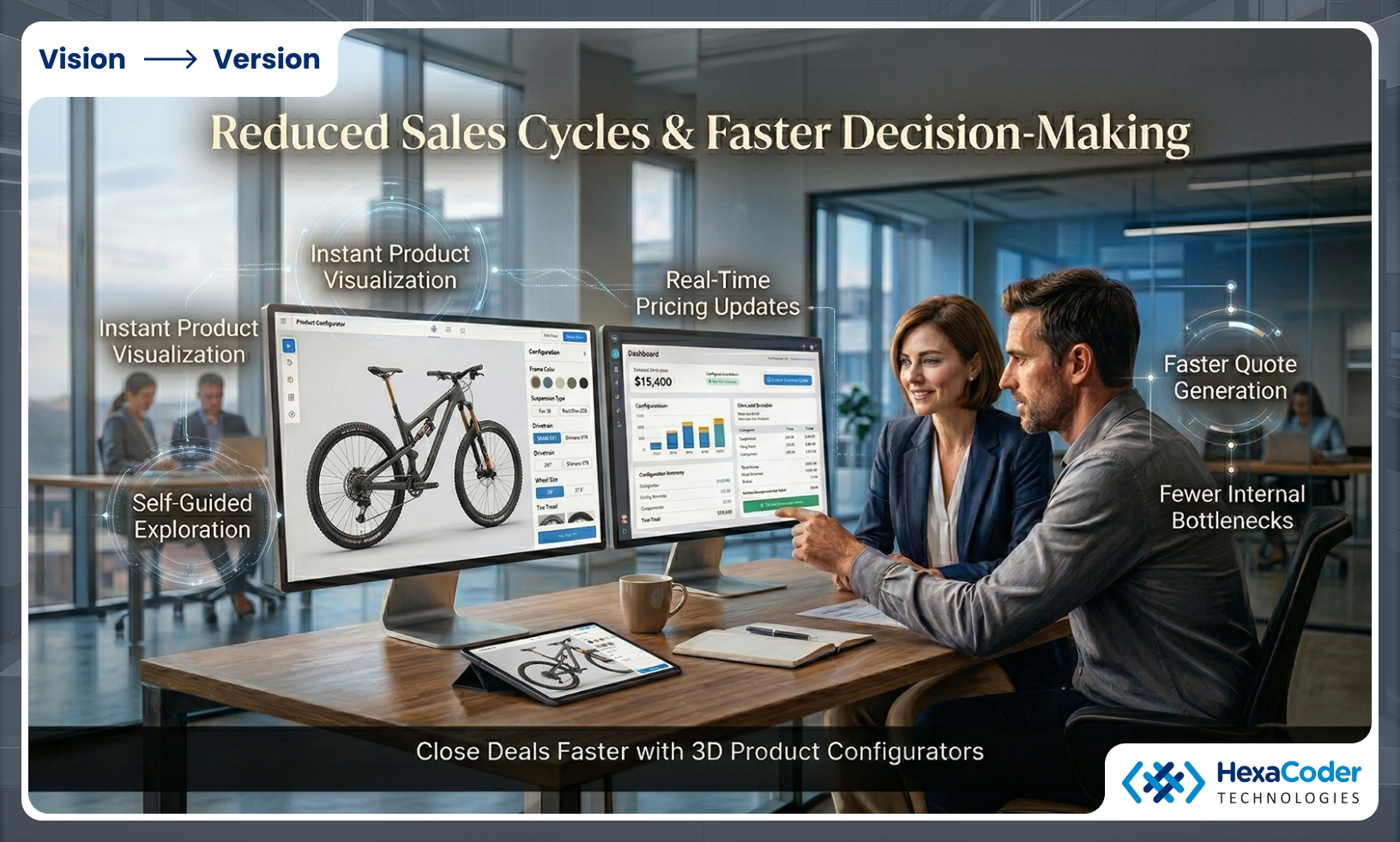
The sales processes for complex products actually match the complexity of the products themselves. The buying process extends beyond its necessary duration because the process requires multiple meetings and needs technical explanations and needs new price quotes and needs product prototypes. The 3D product configurator system eliminates most buying process delays because it enables customers to create and complete their product designs without any waiting time. The process enables customers to move from showing interest in a product to making a purchase decision through a faster and more efficient process. The 3D configurator system provides multiple advantages to businesses because it enables them to complete sales processes quicker and make faster customer decisions.
Instant Product Visualization
Customers now have a new way to see products because they can use 3D models instead of viewing static images or reading PDF documents or listening to verbal product descriptions. A 3D configurator allows them to see their chosen features and customizations in real time. The visual model demonstrates material changes through its instant material display which shows all new material options. The buyers reach decisions faster because this instant feedback eliminates doubt which allows them to make confident choices.
Real-Time Pricing Updates
The process of creating new product quotes needs complete manual work whenever your sales team needs to change product specifications. The time required for this task depends on product complexity and can extend from hours to days. Customers use a 3D configurator to select different options which leads to automatic price updates. The system allows buyers to see their selected choices which directly impact final costs thus making product evaluation faster and eliminating extended waiting times.
Self-Guided Product Exploration
Customers use a configurator to discover different product variations which they can examine at their own pace. Buyers can use the system to test different configurations without needing to contact sales teams through multiple phone calls or emails. The self-guided experience helps customers choose their top options which they will present to the sales representative.
Fewer Internal Bottlenecks
The process requires engineers and product specialists to check whether a requested configuration has technical feasibility in most organizations. This step creates delays in the sales process while it creates additional demands on the internal teams. A well-designed system uses product rules to block invalid combinations which the configurator built into its system. The system allows customers to choose only workable configurations which reduces unnecessary communication between parties.
Faster Proposal and Quote Generation
Once a customer finalizes a configuration, the system can automatically generate a detailed quote or product summary. Sales teams no longer need to assemble documents manually or request multiple revisions. This automation allows proposals to be delivered instantly, helping businesses move deals forward much more quickly.
Improved Sales Team Efficiency
Because the configurator handles many technical and visual aspects of the product, sales teams can focus on higher-value activities. Instead of spending hours explaining product variations or preparing custom visuals, they can guide customers through the buying journey and address strategic concerns. This improves productivity while also accelerating the path to closing deals.
By removing delays, reducing manual tasks, and empowering customers to explore products independently, a 3D product configurator significantly compresses the sales timeline. Companies that adopt this technology not only close deals faster but also create a more modern and efficient buying experience for their customers.
Higher Customer Engagement and Purchase Confidence
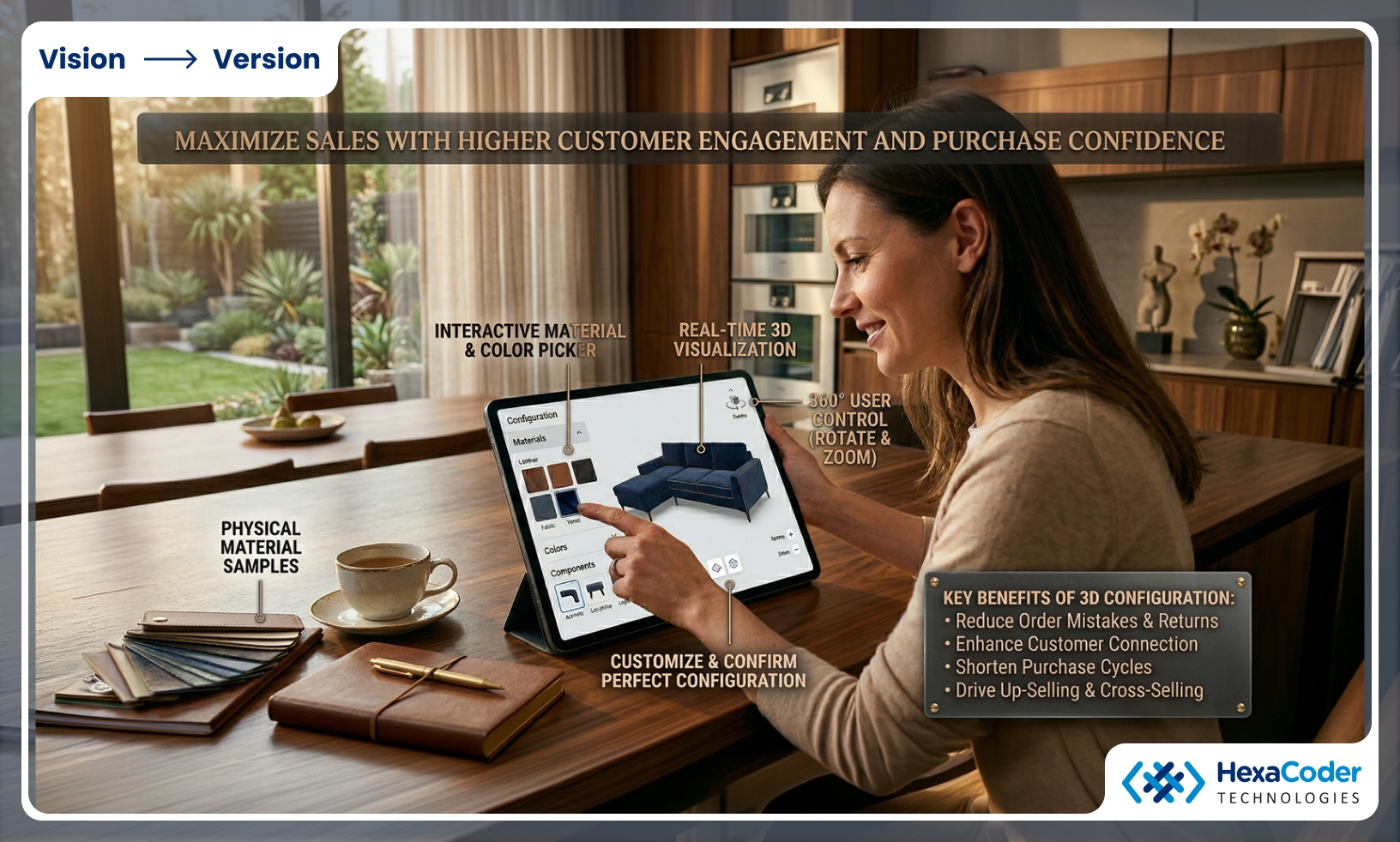
The primary hidden expense that affects product sales operates through unpredictable elements which impact sales. Customers who lack comprehension about their selected products will experience delays as they attempt to make a purchase decision. The process involves three stages which begin with an increase in inquiries followed by extended approval times and ultimately results in decision-making delays. A 3D product configurator changes this dynamic by transforming passive browsing into an interactive experience. Customers build their desired product through active participation which goes beyond reading specifications and viewing flat images. The interactive system engages users because it generates understanding through its complete engagement process.
Customers use the 3D configurator to interact with the product by rotating it and zooming into its details while they choose materials and colors and components that will show them how their choices will change the product design. The product has transformed from an abstract concept in a brochure into a physical object that customers can examine from all perspectives. The visual clarity of the product makes it easier for customers to buy the product because it removes their purchasing barriers.
Customers need to feel confident before they make purchases because they need to understand complicated products which have high value. Buyers who experience uncertainty about a product will not finish their purchase. Buyers request more documentation and additional meetings to discuss the purchase or they stop the buying process. The 3D configurator shows customers the product as it will look before manufacturing and delivery which helps to reduce their uncertainty. Customers who can see the final product better will experience greater purchasing confidence.
The configuration process gives customers control as its main advantage. The traditional sales model requires buyers to remain inactive throughout the purchasing process. The buyers describe their needs and await sales teams and engineers to deliver them various solutions. A configurator flips this dynamic. Customers become active participants in designing the product themselves. They create multiple product combinations which they test and evaluate to find new design options. Customers experience an interactive buying process which transforms their purchasing experience into a shared creative effort with the store.
The customers participate in the process because it makes them more emotionally connected to the product. Customers who dedicate time to personalize their purchases according to their specific needs start to experience ownership rights before they complete their purchase process. The psychological bond between customers and products leads to increased commitment levels while decreasing chances of purchase abandonment during the buying process.
The enjoyment of the experience leads to better engagement with the content. Today's customers demand digital platforms that provide interactive features, instant feedback, and attractive visual designs. The 3D configurator system allows users to explore products through an interactive experience which provides them with natural and engaging product discovery. Users can directly interact with the product model instead of having to search through extensive product catalogs and technical documents. The interactive system allows customers to see immediate results which keeps them interested in the product.
Businesses see better results when customers engage with their content because it leads to extended website visits and customers check more products which increases the chances of making a sale. Customers who use configurators to explore different configurations will spend additional time on the process because they will discover high-value functions which they would have overlooked.
The process creates multiple opportunities to increase sales through upselling and cross-selling. The method produces excellent results because it enhances the ability to communicate. The way customers understand product descriptions varies from how sales teams understand them which results in misunderstandings between the two groups. The configurator clears up all of the uncertain information. The system displays to customers all the elements which they will select for their configuration. The system produces substantial results which create a low possibility of misinterpretation and result in fewer incorrect orders and expensive product changes.
The actual ROI of a 3D product configurator extends further than operational efficiency because it delivers benefits to the customer experience. The system generates value throughout the purchasing process because it establishes trust and keeps consumers engaged. Customers who understand their purchase and participate in product development achieve better decision-making. The certainty of customers leads to faster sales, higher brand trust, and better shopping experiences that benefit both companies and their clients.
Transforming Complexity into Revenue
The 3D product configurator provides businesses with a visual tool that creates revenue and operational efficiency while driving business expansion. The organization achieves immediate benefits through its sales cycle reduction and conversion rate enhancement and error decrease and operational expense reduction and customer satisfaction increase.
Customers who use configurator technology experience better product comprehension because companies that invest in this technology enable them to study and configure intricate products. Buyers make faster decisions, feel more ownership, and naturally gravitate toward premium optionsâall while sales teams work smarter, not harder.
The ROI is clear: businesses achieve faster deal closures, they attain higher revenue per sale, they experience fewer product returns, and their digital-first sales system enables business growth which gives them a competitive edge. The 3D product configurator has become a necessary tool for businesses because modern consumers demand personalized interactive experiences.
Configurators create clear solutions which help users turn their product doubts into assuredness while every user engagement can become a chance to improve. Businesses should adopt product design technology now because it will provide them with definite business advantages in the future.