
How Product Customizers Transform the Footwear and Sneakers Industry
The world presents shoes which display your personality and your mood for the week through their design. Footwear options now include more than black and brown and unexciting black. Product customizers enable sneakers to function as personal expression platforms because every shoe design contains its own unique story. The stories include some which will make you laugh and some which will surprise you and some which require extreme confidence to handle.
The sneaker world has always had its cult moments which include limited releases and hyped drops and resale prices that make your wallet weep quietly in the corner. Customizers have transformed the current hype into an interactive experience through their work. You can design your own kicks from your couch while you drink your coffee because you can change everything from colors to patterns to material textures. Your imagination creates designs which become walking art exhibitions on your feet.
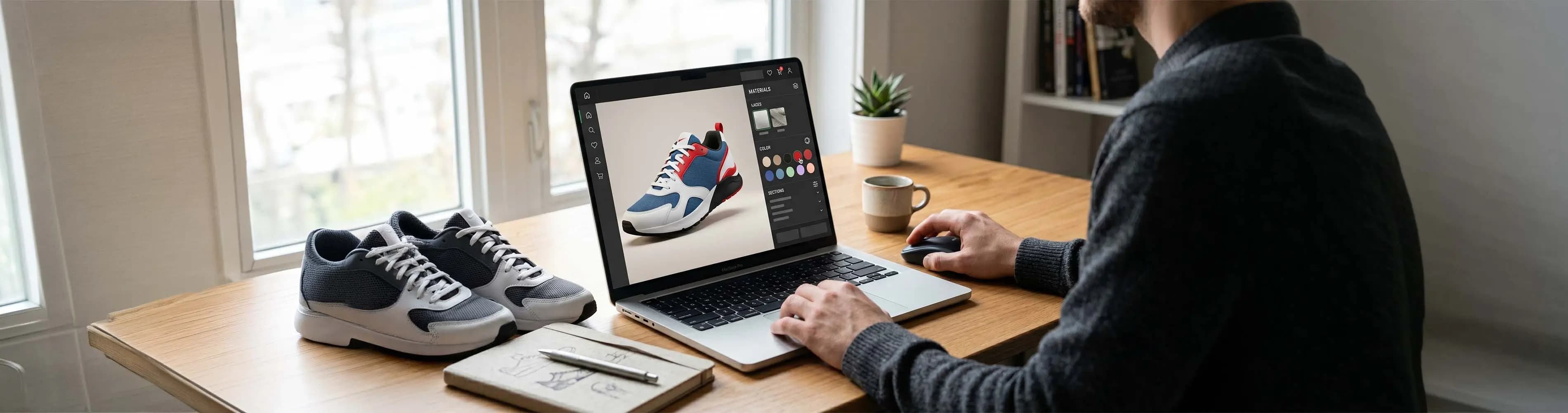
Footwear product customization has evolved into an essential component which transforms how customers experience their shoes in the current market. People today demand custom sneakers which reflect their identity because they want more than standard shoe products. The technology functions like a magic spell because 3D configurators and AR try-ons and AI design assistants enable users to create custom shoes which match the experience of watching TikTok videos at 2 a.m. for several hours.
The new sneaker universe offers three powers through its custom sneaker design system which allows users to create unique designs that showcase their creative skills. First, you can let your imagination run wild—sparkly laces, mismatched patterns, maybe even a little chaos for good measure. Second, exclusivity skyrockets—no one else on the planet has your exact design unless they've been sneaky. And third, let's be honest: strutting down the street with sneakers you designed yourself gives more flex than a free protein shake on gym day. Product customizers create major changes which impact the entire footwear and sneaker business. Customizers create a new business model through their personalized sneaker designs which combine technology with their business model which creates user loyalty.
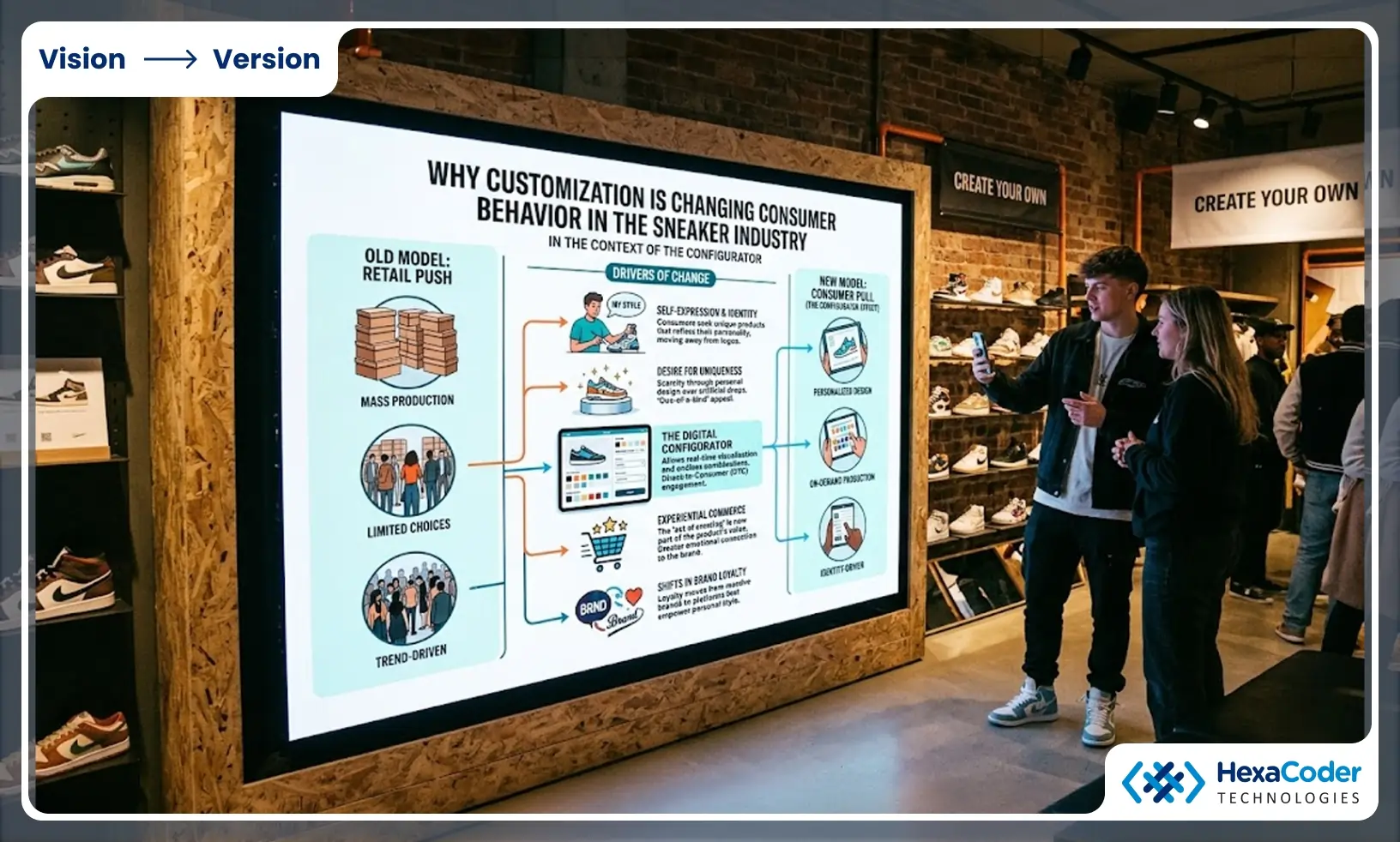
Why Customization Is Changing Consumer Behavior in the Sneaker Industry
The footwear market experiences major changes because of the increasing popularity of product customizers. Today consumers demand more from their shoes than standard sneakers that manufacturers produce for the general public. The customers demand products that showcase their individual identity and their core values and their unique fashion preferences. The industry responds to their needs because customization enables them to control their experience with products.
The process of creating a personalized product enables customers to become active participants in the creation process instead of remaining as passive buyers. The process of designing a sneaker requires users to select from different materials and colors and patterns and finishes which helps them build stronger emotional ties to the product. Customers who can express their identity through a brand become more dedicated to that brand because they actually connect with it.
The process of customization creates new ways for people to shop. Customers choose to pay extra money for customized items because they believe that the Special combination of distinctiveness and exceptional craftsmanship makes the item worth more than its base price. The companies that provide their customers with straightforward and efficient ways to customize products achieve better sales outcomes while experiencing fewer product returns and higher customer satisfaction levels.
The effects of this situation reach far beyond its direct impact on single consumers. The sneaker culture develops through its commitment to exclusive access and its focus on community building and personal expression. The streetwear culture uses customization as a tool which allows consumers to develop distinctive styles that they can showcase through social media platforms and sneaker design communities. The natural visibility of the brand creates a positive effect that enhances brand reputation while driving social interactions and bringing in fresh customers.
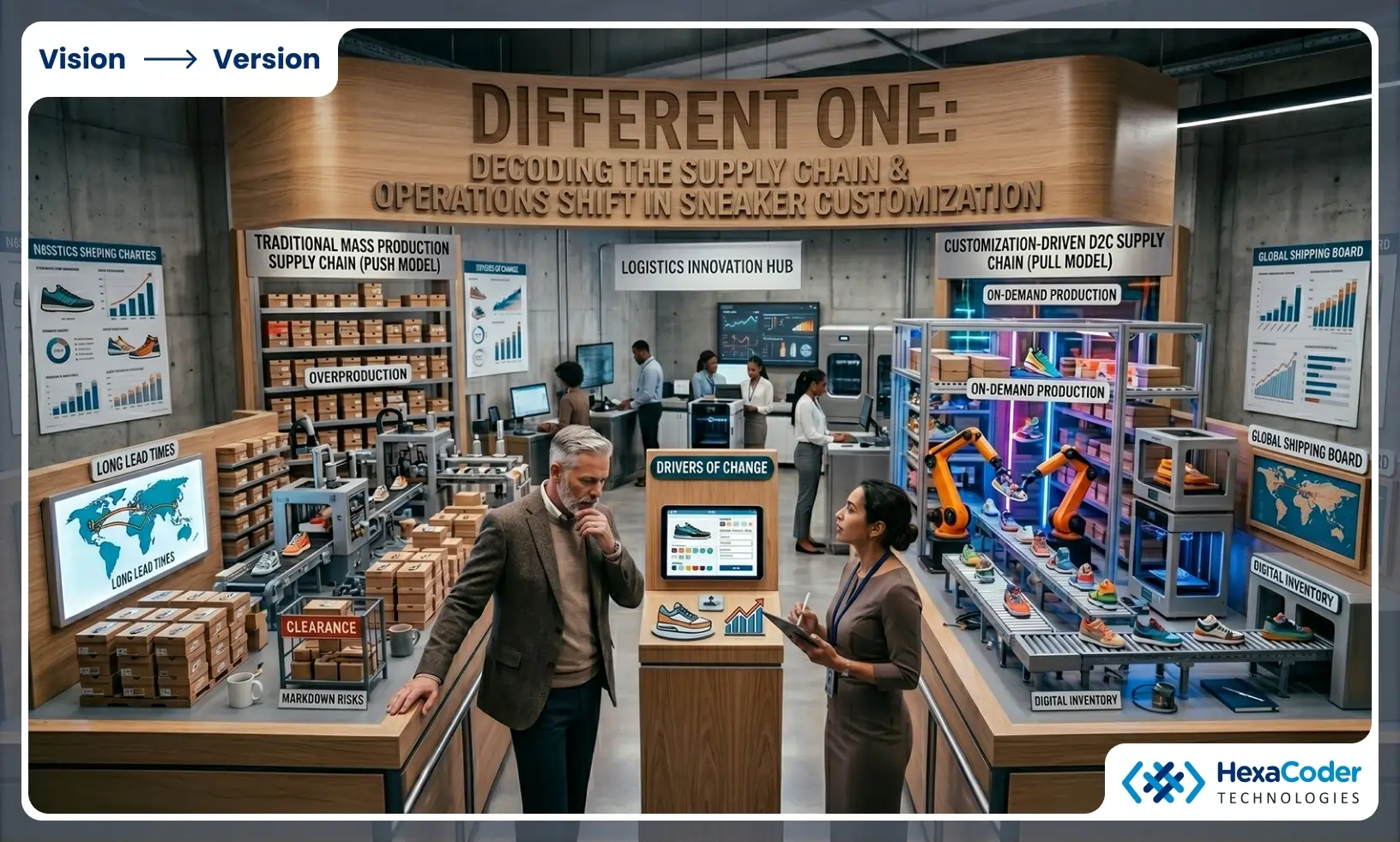
Customization drives brands to develop flexible manufacturing and supply chain systems because it has become an industry standard. The production process needs on-demand manufacturing together with modular parts and digital design systems because these elements enable businesses to fulfill customer demands through sustainable practices. Footwear brands have developed a market that now responds to consumer needs with greater flexibility and better ability to connect with customers than any previous time.
Footwear brands use product customization as a fundamental shift because it changes their customer engagement methods. Brands establish customer loyalty through personalized experiences which result in higher profits and help them become market leaders within their competitive business environment.
The Role of Technology in Driving Personalization and Operational Efficiency
The current process of sneaker customization requires digital technology to serve as its fundamental support system. Brands nowadays use 3D product configurators together with augmented reality technology and artificial intelligence and cloud-based platforms to build customization systems which provide users with flexible and interactive design options. Customers can use 3D product configurators to create their own designs through complete interactive design exploration. Users can rotate, zoom, and experiment with colors, textures, and materials, ensuring the final product meets their exact specifications. The tools enable brands to achieve production accuracy while creating less waste and reducing the time needed to transition from design phase to manufacturing phase.
The personalization process gets enhanced through augmented reality AR tools which provide customers with virtual try-on capabilities. Customers can see how their chosen sneakers look on their feet before placing an order, which helps them make better purchase decisions because they can see exactly what they will receive. The process reduces returns which leads to better brand operational performance.
Artificial intelligence (AI) plays a critical role in guiding customers through the design process. The system uses AI technology to analyze consumer preferences and historical sales data and current popular trends to create design element recommendations which match users' individual tastes. The design process becomes smoother for users while brands can use this technology to forecast upcoming market requirements.
The complete customization process from design to production receives support from cloud-based platforms. The system enables real-time updates while design and manufacturing teams can work together and inventory management operates more efficiently. The digital system enables efficient production of customized sneakers which get delivered to customers on schedule throughout high-demand periods.
Sneaker companies can deliver customized products to their customers through these technology solutions while maintaining their business operations. The brand gains market advantage through this dual benefit because it fulfills customer needs in a highly competitive business environment.
Impact on Brand Loyalty and Consumer Engagement
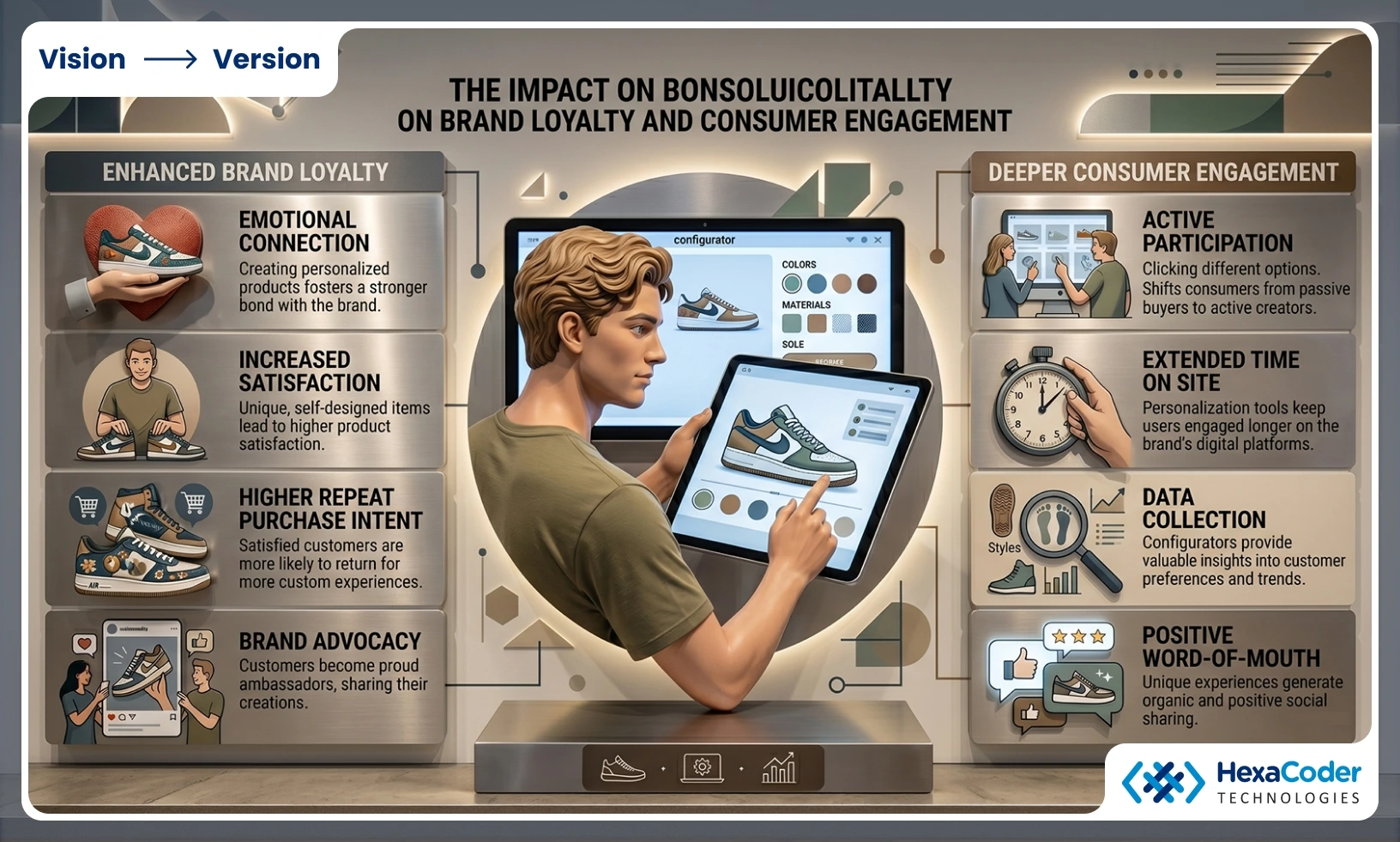
The process of product customization enables brands to develop customized sneakers which create a unique sneaker that establishes new connections with customers about their brand which leads to greater customer participation and builds enduring customer relationships. The process of customer-initiated shoe design enables brands to transform basic sales transactions into customized experiences which establish strong emotional bonds with customers who will return to purchase from them again.
The main ways that customization affects brand loyalty and customer engagement are:
Increased Emotional Investment: Once consumers get involved in the design procedure, they develop a strong emotional bond with the brand, and ultimately, they are likely to become more loyal to it for a very long time.
Higher Perceived Value: The special products which are customized for individual customers provide businesses with a unique opportunity to charge higher prices because customers perceive these products as exclusive to them.
Enhanced Social Sharing: In social media, designers often present their designed items and slowly market them to a new audience without much plan and intention.
Community Building: The ability to customize sneakers enables wearers to create their own identity which lets them connect with other sneaker fans who share their interests while supporting the brand.
Customer Retention: The interactive experience creates a system that leads users to return because they want to make new designs and check out the latest seasonal design options.
The incorporation of these features allows brands to satisfy customer demands for personalized products while establishing a competitive edge in markets that experience continuous growth. The ability to customize footwear makes it possible for customers to transform their shoes into personal expressions of their identity, which helps businesses establish stronger customer loyalty and achieve sustainable growth.
Challenges and Considerations in Implementing Customization
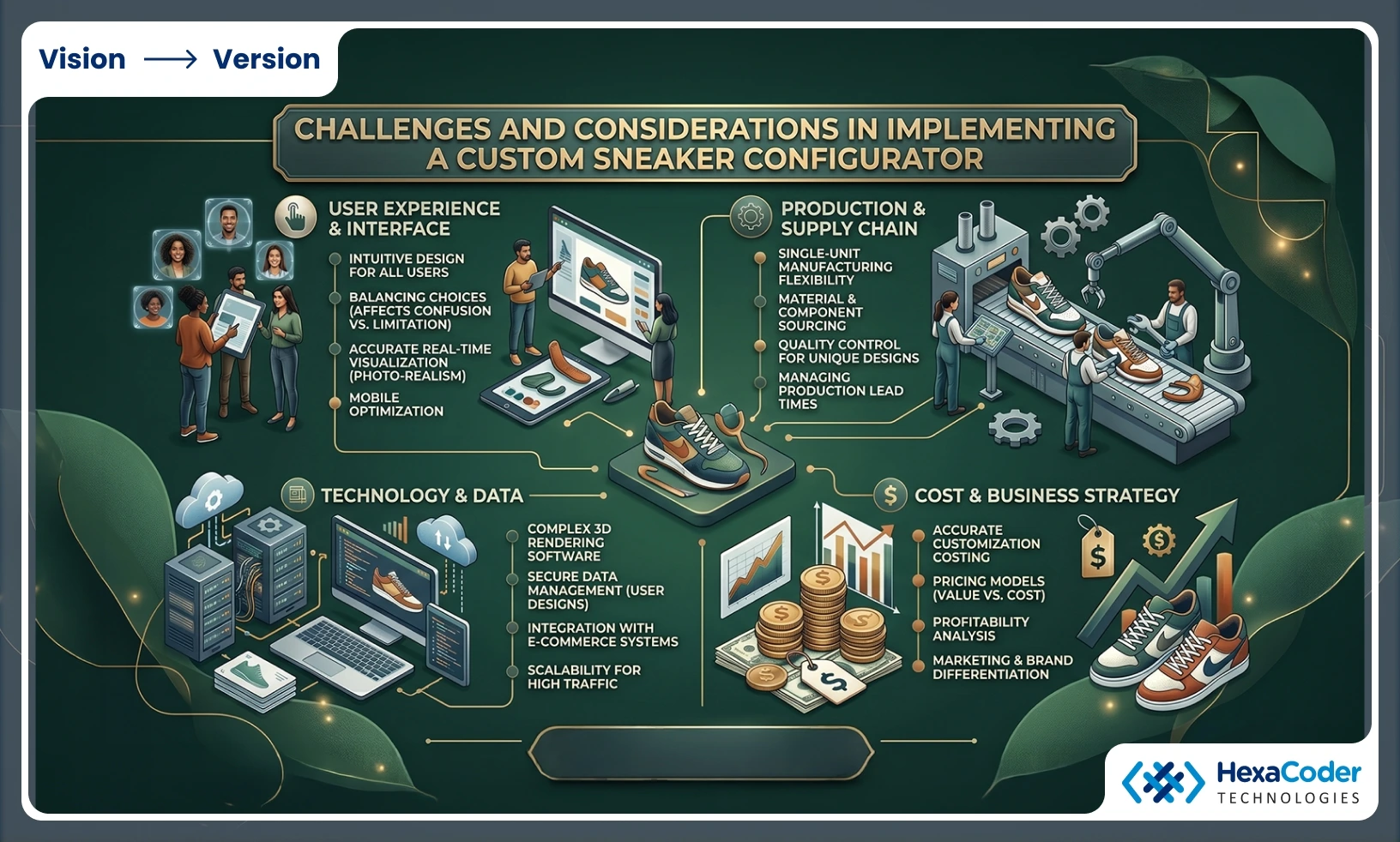
The implementation of product customization brings substantial advantages to businesses but requires companies to overcome particular difficulties before they can successfully execute it. The understanding of these obstacles helps organizations achieve their creative goals while delivering efficient operations and satisfying their customers.
The business needs to create adaptable production systems because its supply chain requires multiple manufacturing methods for its customizable product options. The company needs to handle various materials and colors together with different production parts without creating production delays or manufacturing mistakes.
The costs of customized sneaker production increase because sneaker manufacturers need to create smaller product batches which require them to use specific materials and extra workforce. The company needs efficient organizational methods together with expandable work processes to achieve financial success.
A solid IT framework together with complete system integration, which includes the implementation of 3D configurators and AR try-ons and AI-based recommendations and cloud solutions, is needed for these technologies to operate effectively. Subpar integration practices lead to system failures, operational delays, and user experience difficulties.
The process of product quality control becomes more complicated when customers request personalized products. All customized designs must undergo strict evaluation procedures, which test their compliance with production standards, just like mass-produced products.
People will have different ideas about how long it takes to create customized products and deliver them to customers. Brands need to deliver understandable information together with achievable delivery dates and effective customer support to keep customers happy.
Brands can establish effective customization systems by developing their programs through risk assessment, which helps them achieve higher customer contentment and better business operations. The business strategy will only become sustainable and profitable through the implementation of these factors, which will make customization an integral and expandable element of the business plan.
Future Trends in Sneaker Customization
The future of sneaker customization will use new technology to create better experiences which result in more intelligent features that match what customers want. The industry will be transformed by businesses that adopt current trends because they will provide customers with experiences which extend beyond basic design options.
AI-Enhanced Personalization: Artificial intelligence will become increasingly sophisticated, predicting consumer preferences through its analysis of historical data and current fashion trends and social media user patterns. This technology enables brands to deliver design recommendations which match individual user preferences through seamless and natural user interactions.
Augmented Reality and Virtual Reality Integration: The try-on experience will be revolutionized by AR and VR technology which allows consumers to see their custom sneakers in actual environments and to navigate virtual spaces that display their shoe designs.
Sustainable Customization: The next wave of customization will be determined by environmental awareness. The brands will implement on-demand production together with recyclable materials and modular designs which enable customers to design their own sneakers without harming environmental sustainability.
Blockchain and Digital Provenance: Blockchain technology enables the digital authentication of customized sneakers which establishes their ownership rights and unique features and exclusive attributes. This authentication method delivers special benefits for products found in luxury markets and collectible markets.
Collaborative and Community Design: Future platforms will enable users to design products together with their friends and their chosen influencers and professional designers.
The current sneaker customization trends show that this practice has become an enduring part of the industry. Business enterprises which adopt advanced technological solutions together with environmentally sustainable methods and interactive customer experiences will achieve two objectives. They will fulfill existing customer needs for customized products and they will create customer loyalty and business growth while maintaining their competitive advantage.
The Power of Product Customizers in Footwear
The footwear industry has experienced transformative changes because product customizers allow consumers to express their personal identities through footwear which they can customize to create their own unique fashion statements. Through the use of advanced technologies which include 3D configurators and AR try-ons and AI-driven product recommendations and cloud systems, brands enable customers to design their own products which showcase their individual fashion style and personal identity and their core beliefs.
This transformation has changed how consumers expect products to perform because it enhances their emotional ties with brands while developing their loyalty to brands and their willingness to make repeat purchases. Personalized sneakers have transitioned from being an exclusive market segment to becoming an essential business instrument which brands employ to create market distinction and sell products at higher prices and build enthusiastic fan communities.
The success of customization programs depends on manufacturers developing operational frameworks which require them to establish complete product development processes which include supply chain management and production operations and product quality control and time management systems. The personalized footwear market offers significant business opportunities to brands that successfully handle these market entry obstacles.
The industry will undergo its next phase of development through AI-driven personalization and AR/VR integration and sustainable on-demand production and blockchain-based digital provenance. The new technologies will enhance customization through better user experiences and increased capacity for customization and ability to meet customer needs which will become essential for sneaker brands in contemporary market competition.
Product customization systems have brought about new ways for customers to experience brand relationships which helps companies create customer value. Sneakers have evolved into complete experiences that people use to show their identity and social status which leads to continued growth that benefits the entire footwear industry.